 Sv
Sv 

Hur fungerar platta band och platta bandtransportörer
Platt bälte Teknisk guide
Vad är ett platt band och hur fungerar en platt bandtransportör?
En platt rem är en flexibel transmissions- eller transportkomponent med en bred, plan löpyta. Den kan överföra roterande kraft mellan remskivor, flytta produkter genom produktionsutrustning eller ge kontrollerad rörelse i kompakta maskiner. Dess enkla tvärsnitt stödjer smidig drift, låg vibration, effektiv höghastighetsrörelse och flexibel installation över långa centrumavstånd.
Industriella användare som söker efter en pålitlig platt bälte bör utvärdera remmaterial, tjocklek, bredd, fogstruktur, remskivans diameter, arbetshastighet, belastning, temperatur och erforderlig ytfriktion. Dessa faktorer påverkar direkt spårningsnoggrannheten, livslängden, transmissionseffektiviteten och transportörens stabilitet.
Information som krävs för val av bälte
Bältes bredd Erforderlig löpbredd
Bältes längd Oändlig längd eller öppen längd
Remskiva diameter Minsta och drivhjulsstorlek
Ansökan Överföring eller transport
Miljö Temperatur, olja, damm, fukt
01
Kraftöverföring
Platta remmar överför vridmoment från en motordriven remskiva till en driven remskiva genom friktion mellan remytan och remskivans yta.
02
Produktförmedling
Platta bandtransportörer ger en kontinuerlig bäryta för kartonger, komponenter, ark, förpackningar, behållare och lätta industriprodukter.
03
Precisionsrörelse
Tunna platta remmar används i skrivare, mätutrustning, kompakta enheter, kontorsmaskiner, textilsystem och positioneringsmekanismer.
Teknisk definition
Vad är ett platt bälte?
Vad är ett platt bälte? Det är ett bälte med rektangulärt tvärsnitt och en relativt stor kontaktyta. Till skillnad från remmar som arbetar inuti formade spår, löper en platt rem normalt över en slät eller lätt krönt remskiva. Kraften överförs genom friktion, medan transportörversioner bär produkter direkt på bandytan.
Platt bälteskonstruktion kan innefatta polyestertyg, nylonark, gummi, polyuretan, bomullstyg, polyamidfilm, friktionsbeläggningar eller laminerade kompositskikt. Varje konstruktion ger en annan balans mellan flexibilitet, draghållfasthet, dimensionsstabilitet, slitstyrka, grepp och motståndskraft mot miljöförhållanden.
Typiska egenskaper för platt bälte
- Bred och kontinuerlig löpyta
- Låg vibration vid höghastighetsdrift
- Bra flexibilitet kring lämpliga remskivor
- Finns med släta, grova, belagda eller mönstrade ytor
- Lämplig för öppna enheter, kompakta enheter och transportörsystem
- Finns som ändlösa, fingerskarvade, skivade, bundna eller mekaniskt sammanfogade bälten
Ansökan Syfte
Vad är det primära syftet med platta bälten?
Vad är det primära syftet med platta bälten? Det primära syftet beror på maskinens design. En platt växelrem levererar rotationskraft mellan axlarna. Ett platt transportband stödjer och förflyttar produkter mellan bearbetningspositioner. Ett platt precisionsbälte kontrollerar rörelser i utrustning som kräver stabil hastighet och låg vibration.
Automationsutrustning
Används för överföring av delar mellan monterings-, inspektions-, sorterings-, märknings- och förpackningsstationer.
Förpackningsmaskiner
Ger kontrollerad rörelse för kartonger, påsar, flaskor, brickor, etiketter och inslagna produkter.
Utskrift och pappersbearbetning
Stöder exakt matning, dragning, positionering och transport av papper, film, etiketter och tryckta ark.
Textilmaskiner
Lämplig för lätt överföring och kontinuerlig rörelse där mjuk gång är viktigt.
Elektronisk produktion
Används för att transportera små komponenter, kretsenheter, höljen och färdiga elektroniska produkter.
Precisionsenheter
Tunna bälten stödjer lågbrusrörelse i skannrar, kontorsutrustning, testinstrument och kompakta mekanismer.
Konstruktion av transportörer
Hur flyttar platta bandtransportörer produkter?
Platta bandtransportörer använder en motor, drivremskiva, bakremskiva, stödbädd, spännmekanism och kontinuerlig remslinga. Motorn roterar drivremskivan. Friktion mellan remskivans yta och remmen skapar remrörelse. Produkten ligger kvar på den övre bärytan medan den nedre bandsektionen går tillbaka under transportören.
Steg 1
Drive-ingång
En motor och växellåda ger erforderlig hastighet och vridmoment till drivremskivan.
Steg 2
Bältes dragkraft
Remskivans kontakt och korrekt spänning skapar tillräckligt med dragkraft för att flytta remmen utan överdriven slirning.
Steg 3
Lasttransport
Den övre bältytan bär produkter över en glidbädd eller stödrullar.
Steg 4
Bälte retur
Remmen färdas runt bakremskivan och återgår till drivsektionen för kontinuerlig drift.
Designanmärkning för platt bandtransportör: Överdriven spänning kan öka lagerbelastningen, remmens förlängning, skarvspänningen och energiförbrukningen. Otillräcklig spänning kan orsaka slirning, instabil hastighet, dålig spårning och minskad transportkapacitet.
Urvalsreferens
Viktiga parametrar för en platt bandtransportör
| Parameter | Gemensamt referensintervall | Varför det spelar roll |
| Bältes bredd | 20mm till 2000mm | Bestämmer produktstödområde och praktisk transportkapacitet. |
| Bältes tjocklek | 0,5 mm till 10 mm | Påverkar flexibilitet, styrka, remskivors kompatibilitet och remvikt. |
| Transportörens hastighet | 0,1m/s till 5m/s | Måste matcha produktionshastighet, produktstabilitet och överföringsnoggrannhet. |
| Remskiva diameter | 20 mm till 300 mm | Måste uppfylla minimikravet för böjning av det valda bandet. |
| Driftstemperatur | -30°C till 120°C | Faktiska gränser beror på bandmaterial, beläggning, skarv och exponeringstid. |
| Ytprofil | Slät, sträv, grepp, mönstrad | Kontrollerar friktion, släppprestanda, produktstabilitet och rengöring. |
| Spänningsmetod | Skruv, fjäder, gravitation, pneumatisk | Bibehåller lämplig remspänning när belastning och remlängd ändras. |
| Ledtyp | Ändlös, fingerskarv, avskalad, mekanisk | Påverkar flexibilitet, vibrationer, installationsmetod och fogstyrka. |
Värdena ovan är generella referenser snarare än fasta gränser. Slutliga specifikationer bör bestämmas utifrån remkonstruktionen, produktbelastningen, remskivans arrangemang, hastighet, arbetscykel och driftsmiljö.
Överföringsprincip
En platt rem ansluter remskiva A till remskiva B: Vad händer?
Uttalandet "en platt rem förbinder remskiva A med remskiva B" beskriver ett grundläggande friktionsdrivsystem. Remskiva A är vanligtvis den drivande remskivan ansluten till en motor eller ingående axel. Remskiva B är den drivna remskivan ansluten till maskinaxeln. Rotation av remskiva A flyttar remmen, och den rörliga remmen roterar remskiva B.
I en öppen remdrift roterar remskivan A och remskivan B i samma riktning. I en korsad remdrift roterar de i motsatta riktningar. Korsade arrangemang ökar bandvridning och kantkontakt, så de kräver noggrann utvärdering när bandbredd, hastighet och livslängd är viktiga.
Ungefärlig hastighetsförhållande
N A × D A ≈ N B × D B
N representerar remskivans hastighet. D representerar remskivans diameter. Den faktiska utmatningshastigheten kan variera på grund av remsträckning, elastisk krypning, belastningsförändringar och ytglidning.
Beräkningsexempel
När remskiva A har en diameter på 100 mm och roterar med 1200 varv per minut, medan remskiva B har en diameter på 200 mm, är den teoretiska hastigheten för remskiva B ungefär 600 varv per minut.
Pulley Engineering
Hur man gör en platt remskiva
Hur man gör en platt remskiva beror på axelstorlek, överförd effekt, remskivahastighet, rembredd, tillgängligt installationsutrymme och tillverkningsmetod. Platta remskivor kan tillverkas av stål, aluminiumlegering, gjutjärn eller lämplig teknisk plast.
1
Definiera dimensioner
Bestäm remskivans diameter, ytbredd, håldiameter, navlängd, kilspår och axelanslutning.
2
Välj Material
Välj material efter hastighet, vridmoment, utrustningsvikt, korrosionsexponering och bearbetningskrav.
3
Bearbeta remskivan
Vrid ytterdiametern, remskivans yta, navet, hålet och ändytorna med kontrollerad koncentricitet.
4
Förbered ytan
Ta bort grader och vassa kanter. Bibehåll en jämn yta som lämpar sig för stabil remfriktion.
5
Kontrollera saldo
Utvärdera statisk eller dynamisk balans när remskivan arbetar med förhöjd rotationshastighet.
6
Rikta in enheten
Installera båda remskivorna med parallella axlar och korrekt inriktade remskivor.
Krönt remskiva
En lätt krona kan hjälpa en platt rem att förbli nära remskivans centrum. Överdriven kröning kan koncentrera trycket i bältets mitt och påskynda tröttheten.
Remskiva Ansiktsbredd
Remskivans yta bör normalt vara bredare än remmen så att remmen har tillräckligt med arbetsspel.
Ytskick
Rost, olja, vassa bearbetningsmärken, svetsrester och kantskador kan minska dragkraften eller skada remmen.
Bältesproduktion
Hur man gör en platt drivrem
Hur man gör en platt drivrem kräver mer än att skära en remsa av gummi eller tyg. En pålitlig platt drivrem behöver ett stabilt dragskikt, noggrant kontrollerad tjocklek, raka kanter, en lämplig friktionsyta och en fog som kan böjas upprepade gånger.
Materialval Välj gummi, polyuretan, polyamid, polyesterväv eller kompositkonstruktion efter belastning och miljö.
Dimensionskontroll Bekräfta remmens bredd, tjocklek, ändlös längd, längdtolerans och minsta remskivadiameter.
Precisionsskärning Skär remmen i en rak linje för att förhindra ojämn kantspänning och spårningsproblem.
Gemensam förberedelse Förbered ändarna för fingerskarvning, skalning, limning, termisk sammanfogning eller mekanisk fästning.
Fogbearbetning Kontrollera fogtjockleken och ta bort upphöjda kanter som kan skapa vibrationer vid kontakt med remskivan.
Löpande besiktning Testa bandet vid låg hastighet innan full produktionsbelastning appliceras.
Varför gemensamma noggrannhet är viktigt
En led som inte är vinkelrät mot bältets mittlinje kan skapa upprepade rörelser i sidled under varje varv. En alltför tjock fog kan generera stötar, buller, vibrationer och instabil produktrörelse.
Smalt precisionsbälte
Var används ett platt kapstan-bälte 4 mm bredd?
En platt rullrem 4 mm bredd är en smal platt rem designad för kompakta, lätta och precisionsdrivsystem. Den kan användas i små kontorsutrustningar, utskriftsmekanismer, skannrar, inspelningsenheter, mätinstrument, kompakta transportmoduler och roterande system med låg belastning.
Bredd 4 mm
Viktig dimension Oändlig omkrets
Kritisk faktor Remskiva inriktning
Driftsproblem Rätt spänning
Bredden ensam avgör inte kompatibiliteten. En platt rullrem 4 mm bredd måste också matcha den erforderliga omkretsen, tjockleken, elasticiteten, friktionsnivån, fogkonstruktionen och minsta remskivans diameter. Smala remmar är känsliga för felinställning av remskivor, vassa remskivor, ojämn spänning och felaktig installation.
Bältesrestaurering
Hur gör man ett bälte platt?
Hur man gör ett bälte plant beror på om bältet har en tillfällig böjning, lagringsdeformation, kantvåg, kemisk svullnad, värmeskador eller inre skiktseparation. Lätt curling orsakad av lagring kan ibland minskas genom att placera bältet på en ren, plan yta under jämnt fördelat tryck.
Tillfällig förvaringscurl
Förvara bältet plant eller på en tillräckligt stor rulle. Applicera ett jämnt tryck utan att vika eller böja remmen kraftigt.
Termoplastisk deformation
Kontrollerad lågtemperaturkonditionering kan vara möjlig, men endast inom temperaturgränsen för det specifika bandmaterialet.
Permanent strukturell skada
Byt ut remmar som visar delaminering, djupa sprickor, kraftiga kantvågor, permanent töjning eller skadade dragskikt.
Vanliga orsaker till att ett bälte inte längre ligger platt
Förvaringsrullens diameter är för liten En bälteskant förblir under tryck Drifttemperaturen är för hög Olja eller kemikalier har orsakat svullnad Remskiva diameter is below the belt limit Skarven har ojämn tjocklek Vänster och höger spänningar är obalanserade Det inre dragskiktet är skadat
Drive jämförelse
Vad är skillnaden mellan en platt rem och en kilrem?
Vad är skillnaden mellan en platt rem och en kilrem? De huvudsakliga skillnaderna är tvärsnittsform, remskivans design, friktionsmekanism, spårningsbeteende, lämpligt centrumavstånd och effekttäthet.
| Jämförelseobjekt | Platt bälte | Kilrem |
| Tvärsnitt | Platt rektangulär profil | Trapetsformad profil |
| Remskiva typ | Platt eller lätt krönt remskiva | Spårad remskiva |
| Dragprincip | Friktion över remskivans yta | Friktion förstärkt av kilverkan |
| Mittavstånd | Väl lämpad för längre centrumavstånd | Vanligt i kompakta drivarrangemang |
| Höghastighetsdrift | Lämplig när den är korrekt designad och balanserad | Lämplig för många allmänna industriella hastigheter |
| Spårningskrav | Kräver noggrann remskivsinriktning | Remskivor ger lateral styrning |
| Effekt per bältes bredd | Beror starkt på bältets bredd och spänning | Generellt högre på grund av kilverkan |
| Kontinuerlig bäryta | Lämplig för direkt produkttransport | Används normalt inte som bäryta |
| Typiska applikationer | Transportörer, precisionsmaskiner, höghastighetsdrifter | Pumpar, fläktar, kompressorer, allmänna maskiner |
Operationell diagnos
Varför går en platt bandtransportör åt ena sidan?
En platt bandtransportör kan röra sig mot ena sidan när remskivorna inte är parallella, transportörens ram inte är jämn, spänningen skiljer sig över bandets bredd, skarven är vinklad, materialet laddas utanför mitten eller föroreningar ändrar friktionen på en remskivsektion.
Mekaniska orsaker
- Driv- och bakremsaxlarna är inte parallella
- Remskivorna är inte placerade på samma mittlinje
- Stödrullarna är vinklade eller skadade
- Transportörens ram är vriden eller ojämn
- Bältesskarven är inte fyrkantig
Operativa orsaker
- Produkter laddas upprepade gånger på ena sidan
- Det finns olja, damm, lim eller produktrester
- Remspänningen är för låg eller ojämn
- Bältets kant har töjts eller blivit skadad
- Produktbelastningen överstiger det konstruerade tillståndet
Justeringsmetod: Gör små korrigeringar istället för stora remskivor. Kör remmen i flera hela varv efter varje justering så att spårningsresponsen kan observeras exakt.
Materialval
Hur man väljer rätt material för platt bälte
Yta av polyuretan
Lämplig när ren drift, slitstyrka, konsekvent friktion och kontrollerad produktkontakt krävs.
Vanligt bruk: förpackning, elektronik, precisionstransport
Gummi yta
Ger grepp, vibrationsdämpning och pålitlig dragkraft för många transmissions- och transportapplikationer.
Vanligt bruk: drivsystem, allmänna maskiner, produkttransport
Polyamidkärna
Erbjuder dimensionell stabilitet, draghållfasthet och lämplighet för kompakta, höghastighetstransmissionssystem.
Vanligt bruk: verktygsmaskiner, pappersbearbetning, precisionsenheter
Tygkonstruktion
Ger flexibilitet och kan tillverkas med olika beläggningar för friktions-, släpp- och slitagekrav.
Vanligt bruk: ljustransport, textilutrustning, överföringssystem
Custom Flat Belt Manufacturing
Vilken information hjälper till att skapa ett korrekt ersättningsbälte?
Noggrann applikationsinformation minskar dimensionsfel och gör det lättare att välja en lämplig remstruktur. Befintliga bältesmarkeringar kan hjälpa, men uppmätta mått och driftsförhållanden ger ett mer tillförlitligt underlag för produktionen.
Mått som krävs
Bältes bredd, thickness, endless circumference, and acceptable tolerances.
Maskindetaljer
Drivskivans diameter, stjärtskivans diameter, centrumavståndet och remskivans ytabredd.
Driftsförhållanden
Körhastighet, överförd effekt, produktbelastning, arbetstimmar och start-stopp-frekvens.
Miljöal exposure
Krav på temperatur, fukt, olja, damm, kemikalier, nötning och rengöring.
Ytkrav
Jämn släppning, högt grepp, låg friktion, slitstyrka eller ett specifikt ytmönster.
Installationskrav
Ändlös konstruktion, sammanfogning på plats, mekanisk infästning eller begränsat installationsutrymme.
Vanliga frågor
Frågor om platt bälte från utrustningsanvändare
Kan en platt rem arbeta på en helt cylindrisk remskiva?
Det kan det, men noggrann axeluppriktning och stabil spänning blir extra viktigt. En rätt utformad lätt krona används ofta för att förbättra bältescentrering.
Varför slirar ett platt bälte vid start?
Möjliga orsaker inkluderar otillräcklig initial spänning, låg remskivavinkling, oljeförorening, för stort startmoment, en sliten remyta eller en underdimensionerad drivremskiva.
Bör remspänningen vara så hög som möjligt?
Nej. Överdriven spänning kan överbelasta lagren, sträcka remmen, öka skarvspänningen och minska livslängden. Spänningen bör vara tillräcklig för att förhindra glidning under avsedd belastning.
Kan en platt rem användas för både transport och kraftöverföring?
Vissa konstruktioner kan utföra båda funktionerna, men den slutliga remmen bör väljas efter erforderlig draghållfasthet, ytfriktion, flexibilitet, remskivans storlek och produktkontakt.
Vilka mått behövs för ett platt kapstan-bälte 4 mm bredd?
Bekräfta 4 mm bredd, ändlös omkrets, tjocklek, elasticitet, remskivans diameter, arbetshastighet och om originalremmen är sömlös eller sammanfogad.
Heta produkter
-
 Visa mer
-
 Visa mer
Kilrem för industrin
-
 Visa mer
T-typ industrigummi Synkronbälte
-
 Visa mer
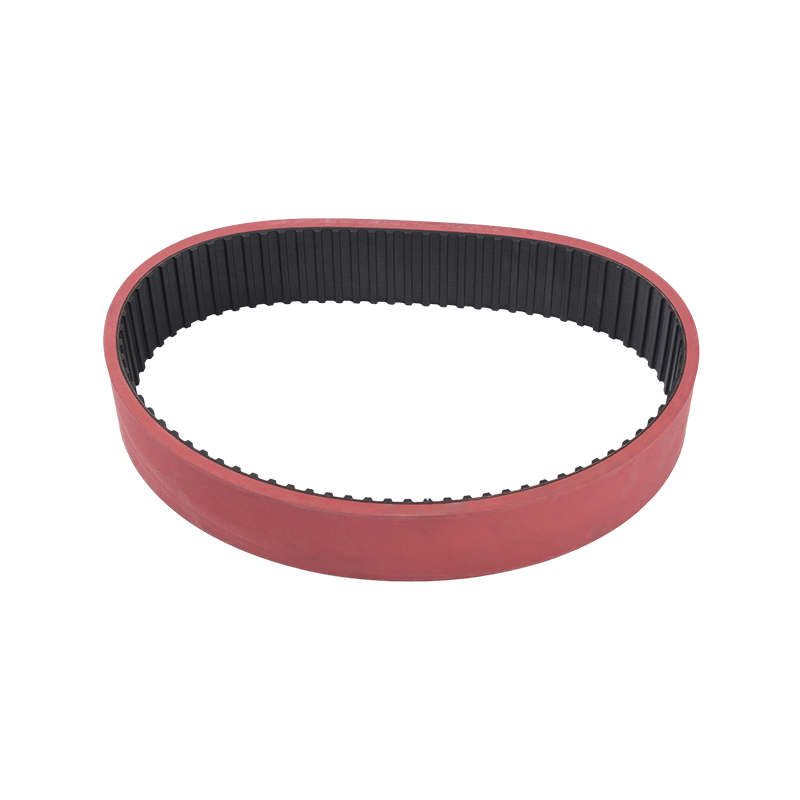
Tandat kilbälte
-
 Visa mer
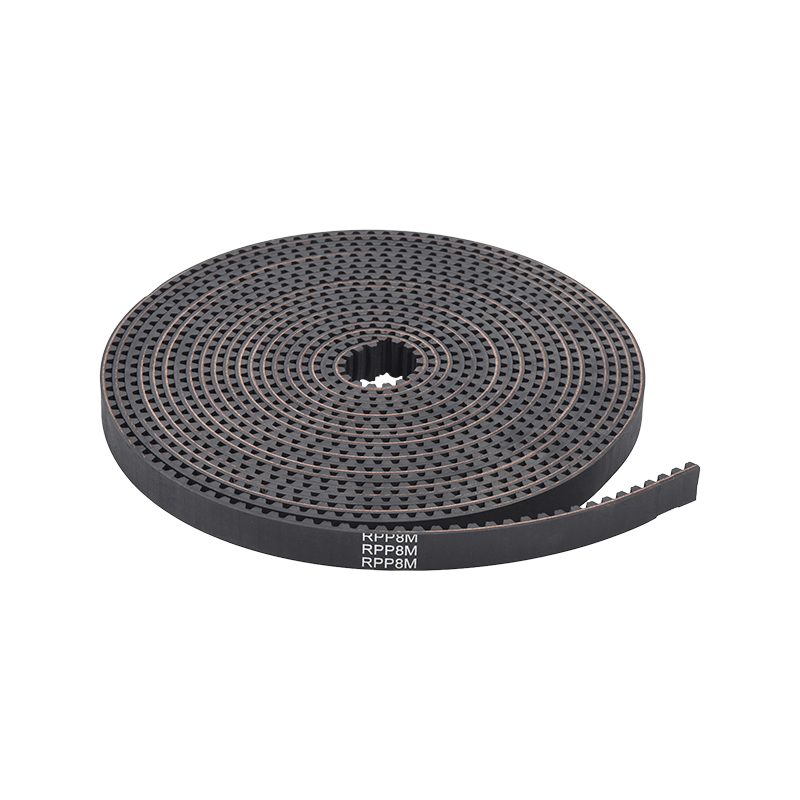
Förtjockad kamrem
-
 Visa mer
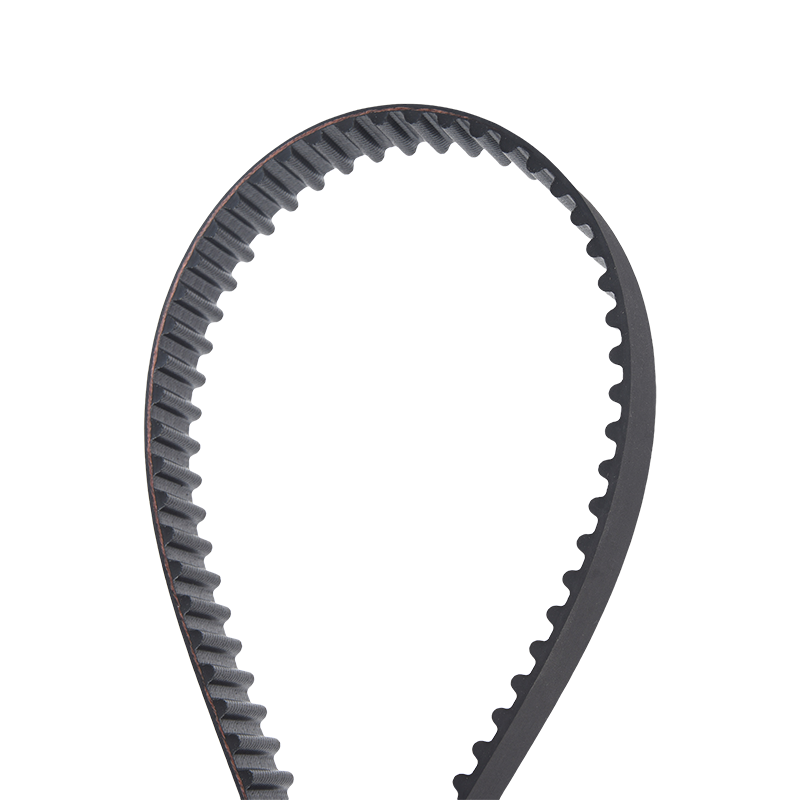
Öppen kamrem
-
 Visa mer
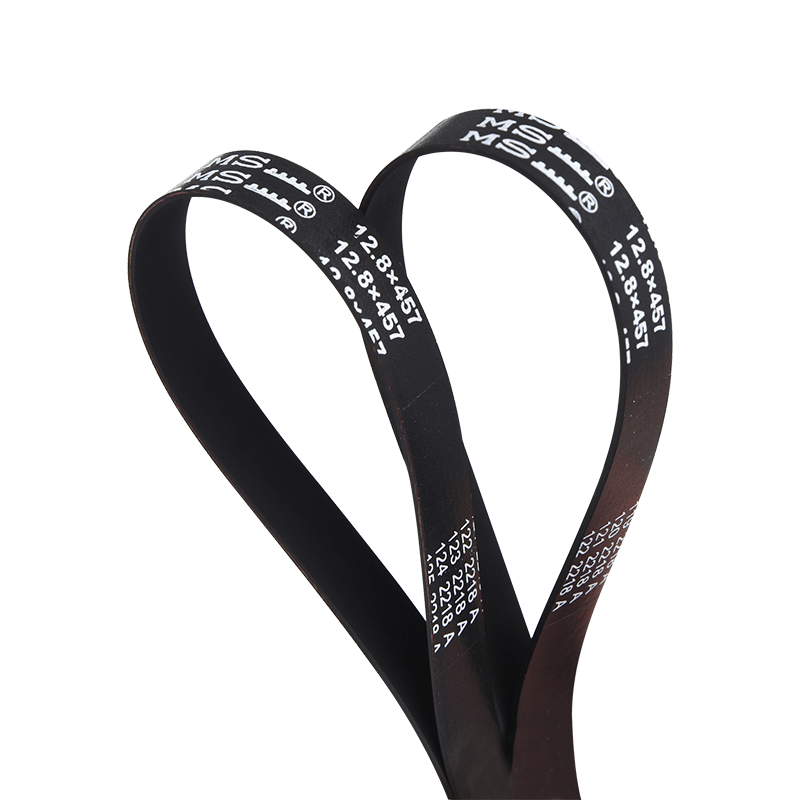
Bilkilrem
-
 Visa mer
Platt gummibälte
-
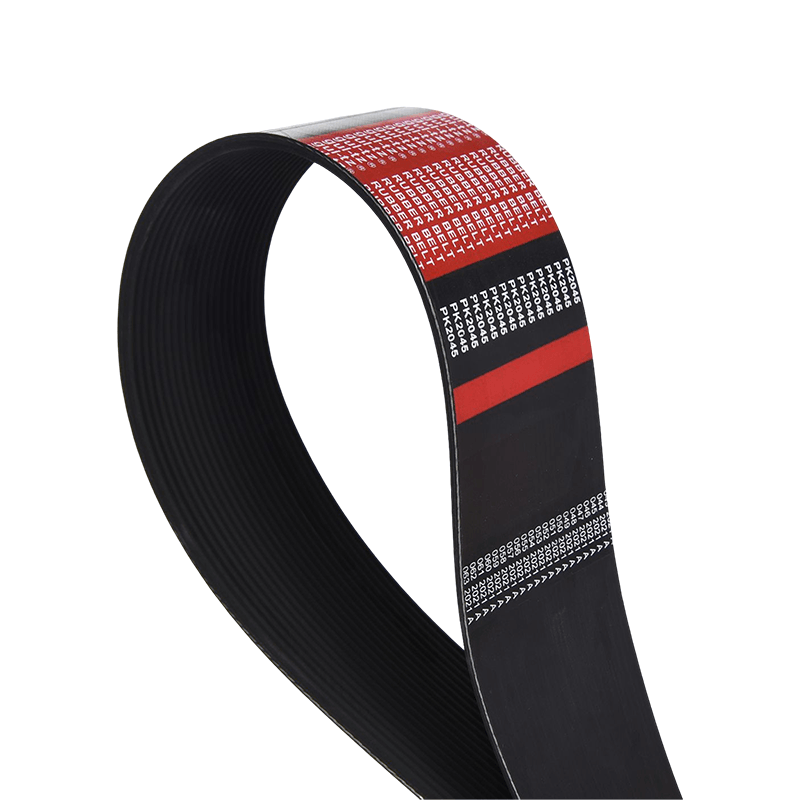 Visa mer
Ribbstickat bälte
-
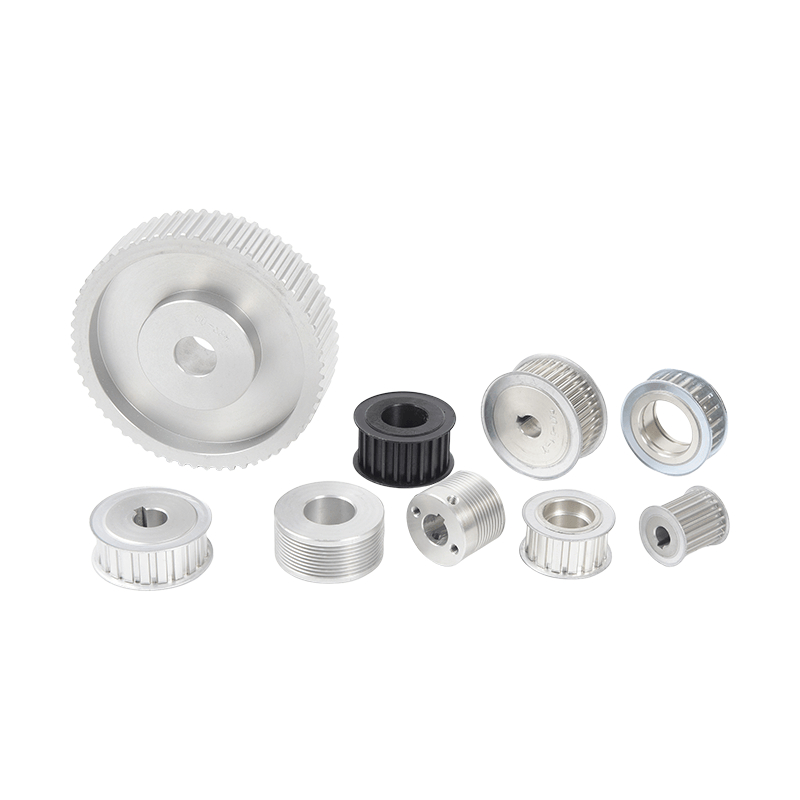 Visa mer
Synkron remskiva
-
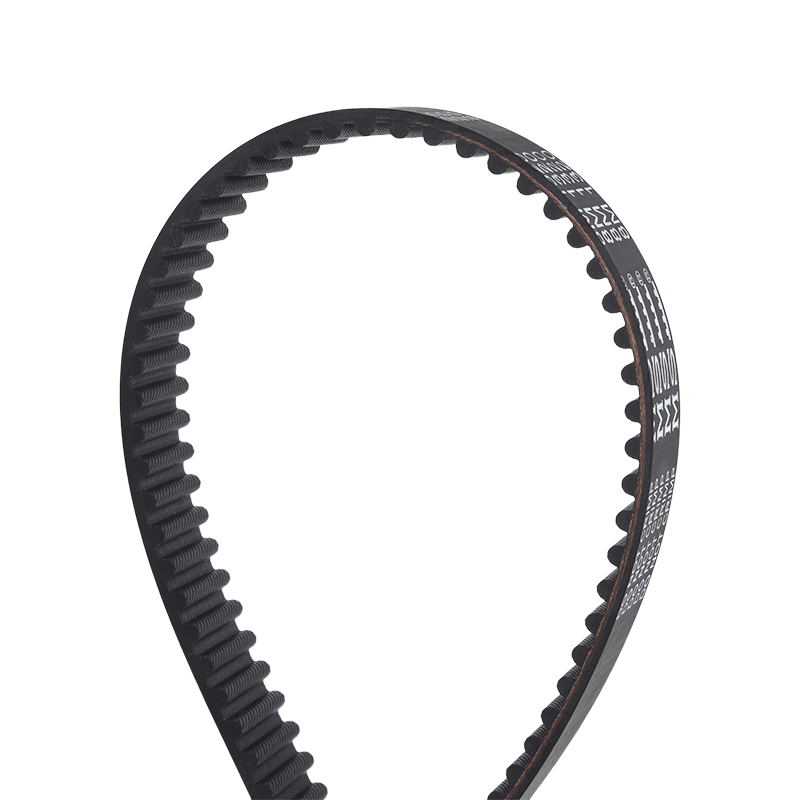 Visa mer
Bågtand industrigummi synkront bälte
-
Visa mer
Kuggrem för bilar

 Tel: +86-0574-62498188 62497298
 Fax: +86-0574-62497297
 E-mail:
  Add: 65, Middle Jinniu Road, Moushan Town, Yuyao City, Zhejiang-provinsen, Kina
Copyright © Ningbo GUL TZ Rubber Belt Co., Ltd. All rights reserved.

